Torn between a storybook Victorian near the square and a turnkey home in a new subdivision? You are not alone. Newnan offers both historic charm and modern convenience, and each path comes with its own rules, costs, and rewards. In this guide, you will get a clear side-by-side look at what to expect so you can choose with confidence. Let’s dive in.
Newnan at a glance
Downtown character and growth corridors
Newnan is the county seat of Coweta County and sits southwest of Atlanta along I-85. The heart of the city centers on the courthouse square and walkable blocks filled with restaurants, shops, and events. Many surrounding neighborhoods include designated historic districts that give Newnan much of its classic look and feel. You can learn more about those districts from the city’s overview of Newnan Historic Districts.
Price context today
Major market trackers consistently place Newnan in a mid-priced band for the Atlanta metro, with citywide medians commonly ranging from the mid 300s to near 400K depending on the source and timing. Because methods vary, your best read on value is a fresh look at local MLS comparables right when you are ready to buy. What matters most is the fit between location, condition, and your goals.
Historic homes in Newnan
Where and what you find
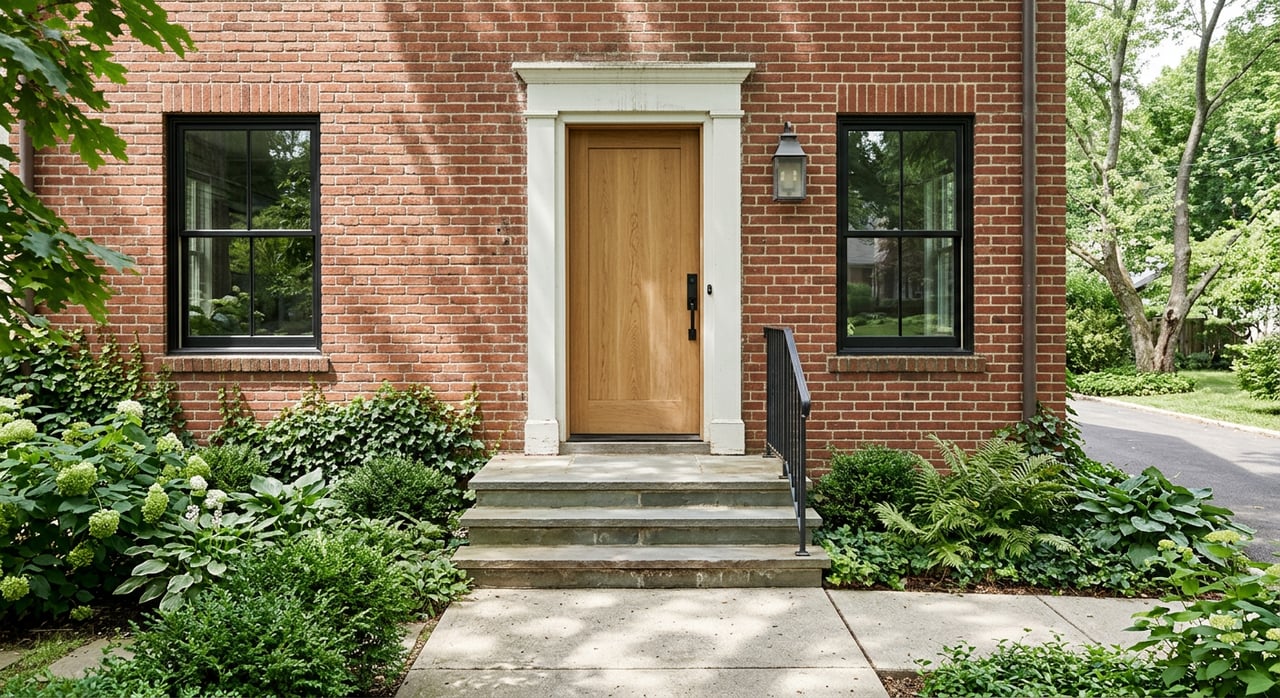
Historic homes cluster near downtown within several listed residential districts. You will see a mix of 19th and early 20th century architecture, including Greek Revival, Victorian-era, and Craftsman influences. These homes are part of Newnan’s identity and often appeal to buyers who value character, mature streetscapes, and proximity to the square.
Rules for exterior work
If a property sits in a designated local historic area, Newnan’s Historic Preservation Overlay applies. That means you may need a Certificate of Appropriateness for any material exterior change visible from the street. Ordinary maintenance is typically exempt, but additions, major alterations, and demolitions go through design review. Before you plan a big exterior project, review the city’s guidance and the Historic Preservation Overlay rules and COA process.
Maintenance and risks to plan for
Older homes often need more frequent or specialized care. Common items include roofing, foundations, aging electrical and plumbing, HVAC replacement, moisture control and insulation, and sensitive window repair. If the home was built before 1978, assume lead-based paint may be present and plan work accordingly using CDC lead paint guidance. Georgia also has significant subterranean termite pressure, so annual inspections and treatments where needed are standard practice. The University of Georgia Extension explains why that matters in its overview of termite biology and control.
Budgeting should reflect the age and uniqueness of the home. A common rule of thumb is to reserve about 1 percent of the home’s value per year for maintenance, and older homes often push that higher. Large items like roof replacement or structural repair can be intermittent but costly, so build a contingency into your plan.
Financing and incentives
Buying a fixer or planning a thoughtful restoration? Renovation loans can combine your purchase and rehab into one mortgage in some cases. FHA’s 203(k) program is a well-known option, and some lenders offer conventional renovation products. Expect clear scopes, contractor bids, and extra steps if your project is extensive.
Georgia also offers potential state-level benefits for qualifying historic rehabs. The Department of Community Affairs administers a State Income Tax Credit and a Preferential Property Tax Assessment for rehabilitated historic property, each with specific rules and “substantial rehabilitation” tests. Explore the application details on the Georgia DCA historic rehabilitation programs page and confirm eligibility early in your planning.
New construction in Newnan
Where new homes cluster
New construction in Newnan often follows I-85 and grows near shopping and medical hubs. Production builders are active, with options ranging from townhomes and entry-level single-family to mid-range and amenitized communities. For example, D.R. Horton’s Poplar Preserve showcases current product in the area. You can preview plans and quick-move-in homes on the Poplar Preserve community page.
What you gain with new builds
Newer homes shine on convenience. You get modern layouts, energy-efficient systems, and brand-new roofs and mechanicals that reduce near-term surprise costs. Many builders include layered warranties and manufacturer coverage on major systems and appliances, which can add peace of mind in the first years of ownership.
Builder warranties to review
A common structure is a “1-2-10” approach: one year for workmanship, two years for major systems, and up to ten years for limited structural coverage. Exact terms vary by builder and warranty administrator, so review start dates, exclusions, and claims procedures before you sign. For context on industry practices, see this overview of new-home warranty structures.
Financing for builds
If you are building from scratch, ask lenders about construction-to-permanent loans. A single-close loan can reduce duplicate closing costs and streamline the process, while a two-close setup separates construction and permanent financing. Each option has trade-offs in timing and fees. Learn the basics with this guide to construction loan types and processes.
Side-by-side: choose with confidence
Budget and cash flow
- Historic home: Plan for higher near-term reserves and potential specialty work. A renovation mortgage can help spread costs, and state incentives may apply if your project qualifies.
- New construction: Expect lower immediate maintenance and warranty coverage that stabilizes the first few years of ownership.
Project appetite
- Historic home: Best if you enjoy managing contractors or preservation work and want one-of-a-kind character.
- New construction: Ideal if you prefer turnkey living with standardized selections and fewer moving parts.
Location and neighborhood feel
- Historic home: Focus near the square and designated districts for walkable, character-rich streetscapes. Review the city’s Historic Districts map and info.
- New construction: Look near I-85 corridors for planned communities with newer amenities and easy access to retail and medical campuses.
Commute and daily rhythm
- Historic home: Test-drive your route to I-85 and downtown errands to see how long typical trips take.
- New construction: Subdivisions closer to interchanges can offer predictable commutes, though peak times vary.
Quick due diligence checklists
Historic homes checklist
- Confirm if the property is inside a local historic overlay and whether a Certificate of Appropriateness is needed for your plans using the city’s COA rules.
- Order a full home inspection, plus dedicated roof/structural and termite inspections. See UGA’s termite guidance.
- For pre-1978 homes, follow lead-safe work practices when renovating.
- If you plan a rehab, ask lenders about FHA 203(k) and discuss whether state incentives from Georgia DCA could apply.
New construction checklist
- Review the builder’s warranty booklet in full. Compare coverage length, exclusions, and claims steps with this warranty overview.
- Clarify the punch-list process and who handles post-closing items.
- Ask for an as-built survey and system certificates. Review HOA covenants and reserve funding.
- If building, compare construction-to-permanent options using this loan guide.
For either home
- Check floodplain status and other site data using Coweta County’s Maps Online GIS. Lenders may require flood determinations and elevation certificates.
- If schools influence your decision, review current assignments with the Coweta County School System to confirm boundaries.
Resale and long-term value
Both historic homes and new construction can resell well when they deliver what buyers want in that location and price point. Historic properties near the square often command strong interest when restored thoughtfully and updated for modern living. Newer homes attract buyers seeking open plans, energy efficiency, and low-maintenance systems. Prioritize location and condition over labels, and use very local comps to fine-tune pricing and expectations.
Ready to compare homes together?
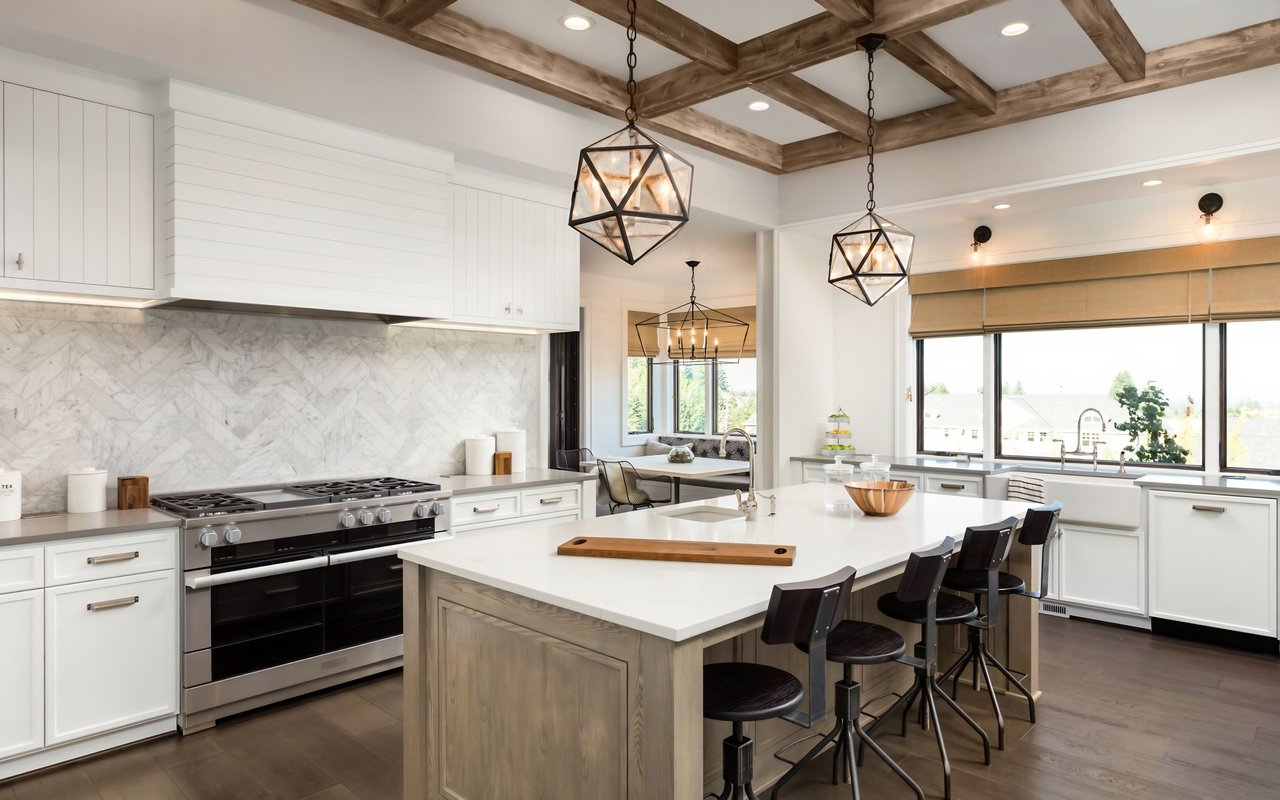
Whether you feel pulled toward a front-porch Craftsman near downtown or a bright new build with a big kitchen island, you deserve a clear, low-stress path to the right choice. Let a local, relationship-driven advisor line up the best options, walk you through rules and warranties, and negotiate the details that matter. If you serve our community as a frontline professional, ask about Homes for Heroes. When you are ready, connect with Vicki Morris to schedule your personal consultation.
FAQs
Can I change the exterior of a Newnan historic home?
- Possibly. If the home is within a local historic overlay, material exterior changes visible from public streets require a Certificate of Appropriateness. Review Newnan’s COA rules and confirm with the Historic Resource Commission.
Are there incentives for renovating a historic Newnan home?
- Yes, Georgia DCA administers a State Income Tax Credit and a Preferential Property Tax Assessment for qualifying rehabilitations. See details and eligibility on the Georgia DCA programs page and start early.
Do older Newnan homes have termite issues?
- Georgia has significant subterranean termite pressure. Plan for professional inspections and treatment where needed. Learn more from UGA Extension’s termite guide.
Which resells better in Newnan, historic or new?
- Either can perform well when location and condition align with buyer priorities. Historic homes appeal to character seekers near downtown, while new builds attract buyers who want modern systems and low near-term upkeep. Local comps are the best predictor.