If you are selling a mini-farm or acreage home in Randolph County, the house is only part of the story. Buyers want to know how the land works, what systems are in place, and whether the property details are clear before they ever schedule a visit. When you market rural property the right way, you reduce questions, build confidence, and help serious buyers see the value faster. Let’s dive in.
Start With The Land Story
In Randolph County, your marketing should focus on more than curb appeal. This is a rural county with 23,163 residents spread across 580.55 square miles, and the local housing market leans heavily toward existing homes and land rather than new construction. With only 2 building permits reported in 2024, buyers are often shopping for what is already on the ground, not waiting for something new to be built.
That matters because mini-farm and acreage buyers usually think beyond the home itself. They want to understand the layout, usable space, access, and improvements that support day-to-day use. A strong listing helps them picture not just living there, but using the property well.
Show What The Acreage Can Do
Randolph County has a strong agricultural identity. USDA data shows 611 farms and 122,248 acres in farms, with pastureland and woodland making up a large share of the land base. In a market like this, buyers often pay close attention to practical land features.
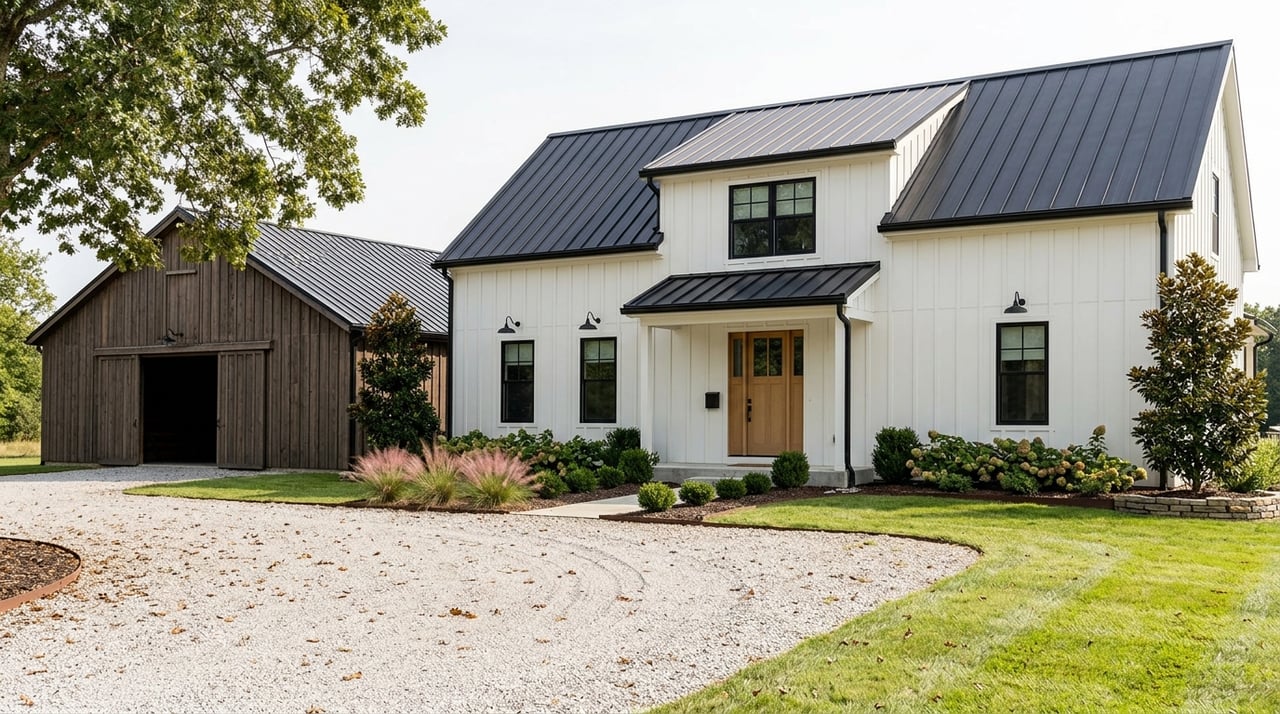
Your photos, captions, and property remarks should clearly show what makes the acreage useful. Instead of relying on general phrases, point to features that help buyers understand the tract.
Key Features To Highlight
- Usable pasture areas
- Woodland or timber areas
- Fencing and gates
- Ponds, creeks, or drainage features
- Barns, sheds, coops, or equipment storage
- Garden space
- Drive access and road frontage
- The relationship between the house and the rest of the property
When buyers can quickly see how the land is set up, your listing becomes easier to understand and easier to remember.
Use Photos That Answer Questions
Good visuals do more than make a property look attractive. They help buyers sort out whether the land fits their goals. That is especially important in Randolph County, where pasture and woodland exceed cropland in the county farm profile.
Ground-level images should capture the home, outbuildings, access points, and major land features. Clear captions can help explain what buyers are seeing, especially when different parts of the tract serve different purposes.
Why Drone Coverage Helps
Drone photography can be especially useful for acreage homes because it shows:
- Parcel shape
- Road frontage
- Tree lines
- Open versus wooded sections
- Driveways and entry points
- How the home sits on the tract
For commercial aerial photography used in marketing, the FAA requires operations to follow Part 107 rules, and a remote pilot certificate is required. That means professional drone work is not just a nice extra. It should be handled correctly.
Back Up Marketing With Documentation
Rural buyers often want proof, not just promises. If your property has acreage, outbuildings, timber, or unique boundaries, supporting documents can strengthen the listing and reduce uncertainty.
Alabama’s property appraisal guidance says tax maps show ownership boundaries, survey lines, easements, and parcel identifiers, but tax maps are not conveyance documents. In simple terms, that means a tax map can be helpful, but it should not be treated as a substitute for a survey or plat.
Documents That Can Strengthen Your Listing
- Survey
- Plat
- Legal description
- Tax parcel information
- Easement information, if applicable
- Records for split-off tracts, if applicable
When your visuals and your paperwork tell the same story, buyers have an easier time moving forward with confidence.
Prepare Well And Septic Records
If the property uses private water or septic systems, expect buyers to ask about them early. These systems are common on rural properties, and buyers often want to know their condition and history before making an offer.
Alabama Cooperative Extension System guidance says private wells are not federally regulated, recommends annual testing, and notes that good well records can help when a property is sold. ACES also says septic systems need routine care and that county health departments can guide site suitability and permits for new or repaired systems.
Helpful Records To Gather Before Listing
- Recent well test results
- Well records, if available
- Septic permits
- Pump-out receipts
- Repair or maintenance records
Having these records ready can lower buyer anxiety and help your property feel better prepared from the start.
Address Randolph County Rules Up Front
One of the most important parts of marketing acreage in Randolph County is explaining what buyers need to know about local rules. In the county’s unincorporated areas, the county says there are no zoning restrictions because the County Commission has no legal authority to issue zoning ordinances.
That does not mean buyers can assume anything goes. The same county guidance says builders should follow the Alabama Residential Building Code, report new homes or structures to the appraisal office, contact the county engineer before subdividing land, building in a flood-prone area, or harvesting timber, and contact the county health department for septic tank certifications. If the property is inside municipal limits, municipal rules should also be checked.
Questions Your Listing Should Help Answer
- Is the property in an unincorporated area or inside municipal limits?
- Are there any known flood-prone areas?
- Has the land been subdivided or could subdivision require county review?
- Are there timber-related considerations?
- What septic documentation is available?
A clear listing does not try to guess every future use. It simply gives buyers the facts they need to start asking the right questions.
Explain Current-Use Status Clearly
Current-use valuation can be a major issue for rural land sales in Alabama. For eligible Class III property, the Alabama Department of Revenue says land may be valued by current use instead of market value, which can affect property taxes.
This topic matters in your marketing because buyers may want to know whether current use applies now and what happens after a sale. ALDOR says new owners must apply again after closing, and conversion to another use can trigger rollback. Randolph County’s revenue office says the application must be filed no later than December 31 for the following tax year, so buyers should confirm timing directly with the county office.
Why Current Use Matters In Marketing
- It affects buyer expectations about taxes
- It may influence how buyers view the property’s ongoing cost
- It can shape interest from buyers looking for land with agricultural use
- It helps prevent confusion after closing
If current use applies, mention it accurately and make sure buyers understand that they should verify details with the county.
Check Property Records Before Going Live
Acreage listings often involve more moving parts than a standard in-town listing. Barns, sheds, additions, and multiple parcels can create confusion if public records and actual improvements do not line up well.
Because Alabama property tax treatment depends on classification, millage rates, and exemptions, it is wise to confirm that major improvements and parcel details are reflected correctly in the records. This step can help prevent last-minute surprises and support a smoother transaction.
Build A Listing That Pre-Answers Buyer Concerns
The best Randolph County mini-farm marketing does one thing very well: it answers common questions before the buyer has to ask. Buyers want to know how much of the acreage is usable, where the boundaries are, what improvements are included, and whether there are any water, septic, floodplain, timber, subdivision, or municipal issues that may affect the tract.
When your listing makes those answers easy to find, you attract better-informed buyers. That usually leads to more productive showings and stronger conversations once interest starts building.
Why Local Strategy Matters
Randolph County is not a market where generic marketing does the job. With a low-density rural setting, a housing base driven by existing homes, and a land profile dominated by pasture and woodland, mini-farm and acreage listings need a different approach.
That is where a hands-on strategy matters. You want marketing that presents the property clearly, supports the details with documentation, and positions the land as an asset with real utility. For a unique rural property, personalized guidance can make a meaningful difference in how your listing is seen and understood.
If you are getting ready to sell a mini-farm or acreage home in Randolph County, a tailored marketing plan can help you showcase the full value of your property with clarity and confidence. To talk through your goals and next steps, schedule your personal consultation with Vicki Morris.
FAQs
What should a Randolph County mini-farm listing emphasize most?
- A strong listing should emphasize usable acreage, access, fencing, water features, outbuildings, and how the land is laid out, not just the house.
Why is drone photography helpful for Randolph County acreage homes?
- Drone photography helps show parcel shape, road frontage, tree lines, open land, wooded sections, and how the home sits on the tract.
What documents help market an acreage home in Randolph County?
- Helpful documents include a survey, plat, legal description, parcel information, easement details if applicable, and records that support how the property is represented.
What well and septic records should sellers gather for a Randolph County rural property?
- Sellers should gather recent well test results, well records if available, septic permits, pump-out receipts, and repair or maintenance records.
What should buyers know about zoning for Randolph County acreage property?
- In unincorporated Randolph County, the county says there are no zoning restrictions, but buyers should still review county guidance on building code, flood-prone areas, subdivision, timber activity, septic matters, and any municipal rules if the property is inside town limits.
How does current-use valuation affect a Randolph County land sale?
- Current-use valuation may affect property taxes for eligible land, and new owners must apply again after the sale and confirm deadlines with the county office.